Free Toolbox Talk

Working Near Power Lines Toolbox Talk

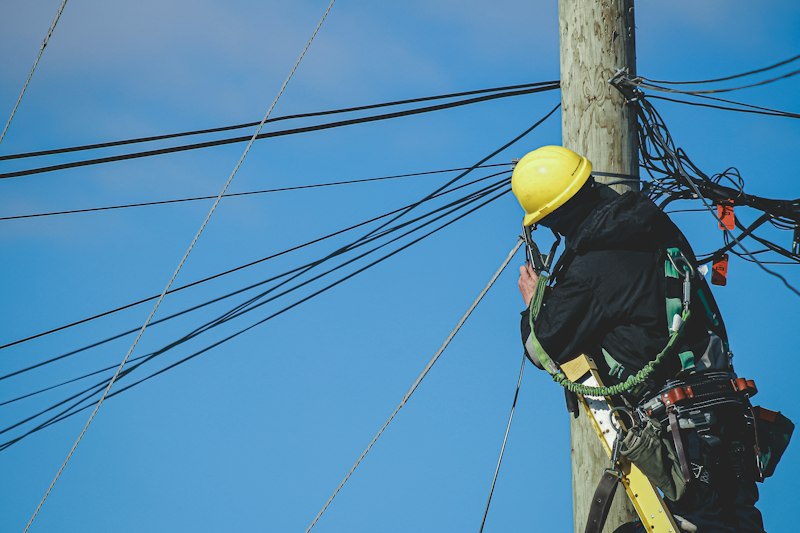
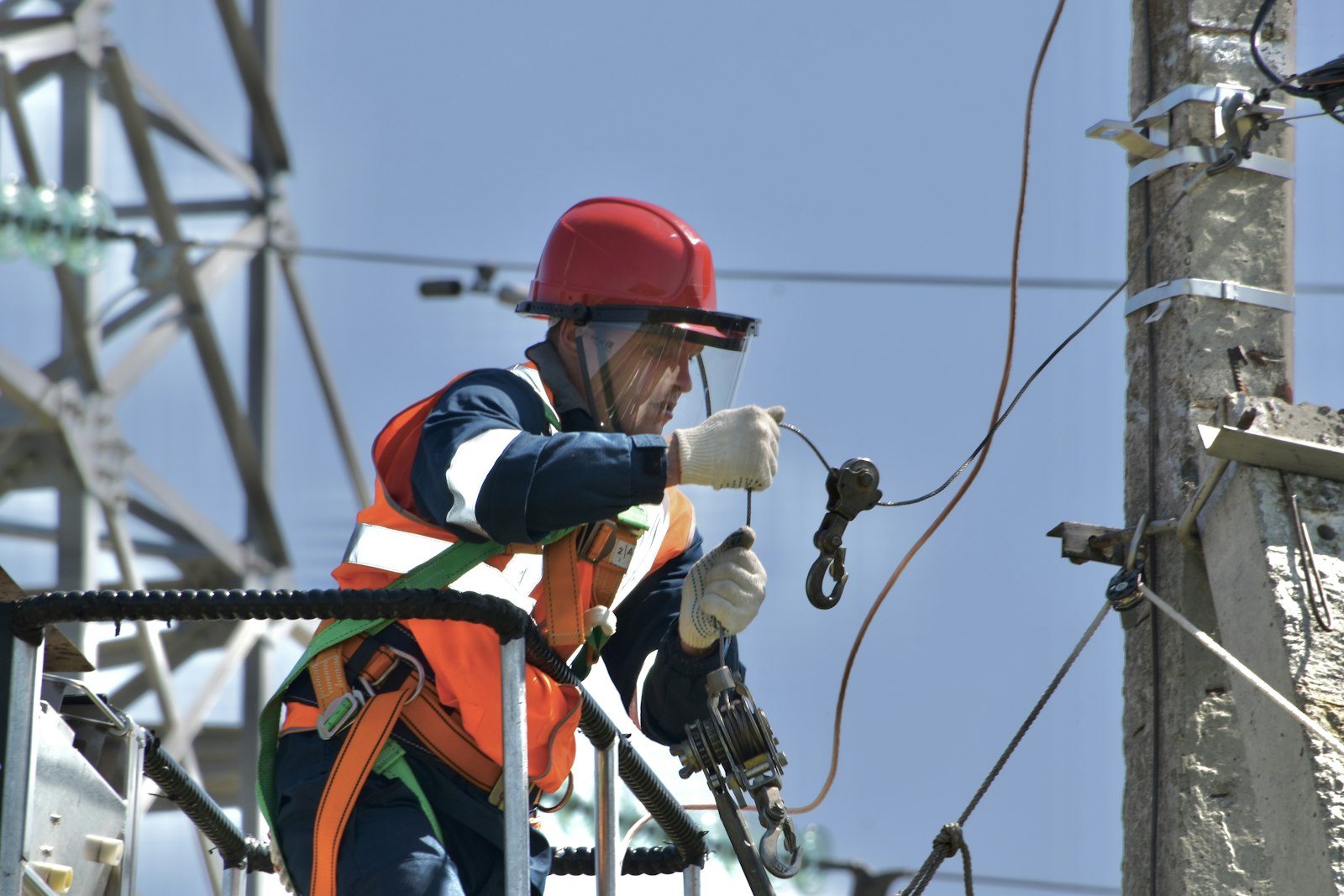
Lineman in safety gear on a power pole

Working near power lines is one of the most dangerous situations a crew can face. Contact with an energized line, whether it’s your body, a ladder, a crane boom, or a dump truck bed, can cause severe injuries or death in an instant. Use this toolbox talk on overhead power line safety to review the hazards and the precautions that keep your crew safe.

Free Consultation

Talk to an Ohio Safety Professional

Calling us is the fastest way to get in touch.

Dangers of Working Near Electrical Lines

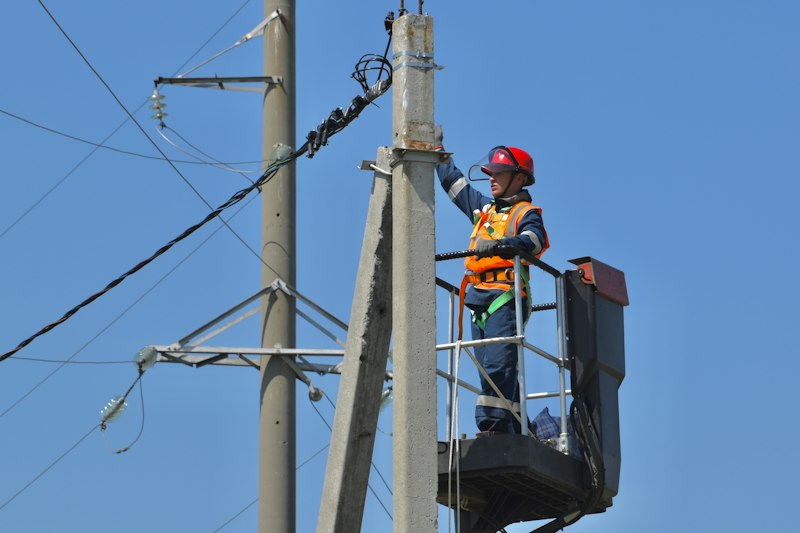
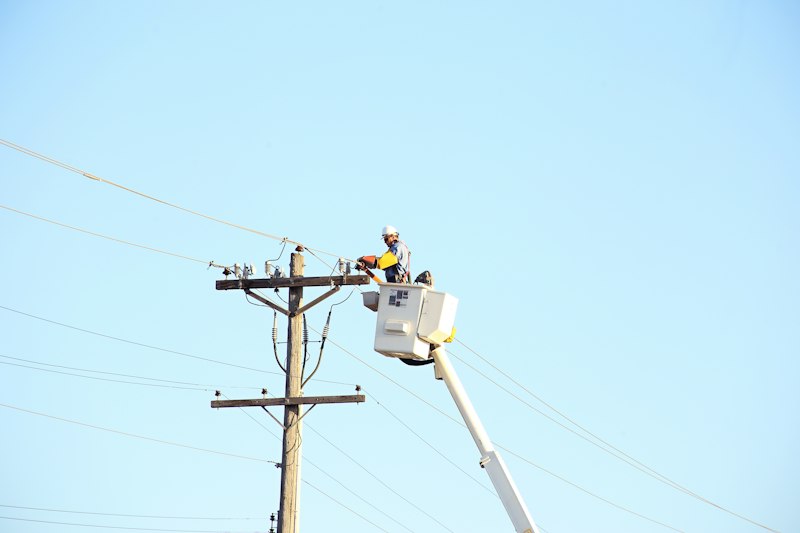
Lineman in a bucket beside a utility pole

Electrocution

Direct or indirect contact with an energized line can cause a fatal electric shock.

Lineman in a hard hat climbing a pole

Arc flash

A sudden release of electrical energy can cause severe burns and other injuries, even without direct contact.

Lineman on a pole next to power lines

Falls

Work near overhead lines often happens at height, so a shock can also cause a fall.

OSHA Minimum Clearance Distances

Unqualified workers and their conductive tools and materials must stay at least 10 feet from overhead lines energized at 50 kV or less. Add 4 inches for every 10 kV over 50 kV (29 CFR 1910.333(c)(3)).

For cranes and derricks in construction, the minimum clearance increases with voltage (29 CFR 1926.1408, Table A):

OSHA Minimum Clearance Distances
Line voltageMinimum clearance
Up to 50 kV10 feet
Over 50 to 200 kV15 feet
Over 200 to 350 kV20 feet
Over 350 to 500 kV25 feet
Over 500 to 750 kV35 feet
Over 750 to 1,000 kV45 feet

When you don’t know the voltage, assume it’s high and stay well back. Contact the utility to confirm.

Safety Precautions When Working Near Power Lines

Know where the lines are. Identify all overhead and underground lines before work starts, and mark them. Report damaged or downed lines to the utility right away.

Call before you dig. In Ohio, contact OHIO811 by calling 811 at least two working days before excavating so underground lines can be marked.

Use a spotter. Assign a dedicated spotter when cranes, booms, dump beds, or tall equipment work near lines.

Use the right tools and PPE. Use insulated tools designed for electrical work, and wear the PPE your task requires, such as hard hats, safety glasses, and properly rated gloves.

Keep metal away. Keep ladders, scaffolds, pipe, and tools away from energized lines. Aluminum ladders conduct electricity, so use non-conductive fiberglass ladders near power.

Never assume a line is dead. Treat every line as energized until the utility confirms it’s de-energized and grounded. Never touch a downed line.

Coordinate with the utility. Notify the utility in advance of work near its lines, and follow its instructions, which may include de-energizing or insulating lines.

Have an emergency plan. Know where first aid and fire extinguishers are, and train workers in emergency response, first aid, and CPR.

What to Do If Equipment Contacts a Power Line

If you’re in the equipment, stay inside unless there’s a fire. Warn others to stay at least 35 feet away and call 911 and the utility.

If you must get out, jump clear with both feet together, never touching the equipment and the ground at the same time, then shuffle away with small steps.

Never touch someone in contact with a line. You could become a second victim.

Discussion Questions for Your Crew

Close your working near power lines toolbox talk with these questions:

Faq

Power Line Safety FAQs

Still have questions? Call 330-677-4433

What is the 10-foot rule for power lines?

It’s OSHA’s minimum clearance for unqualified workers near overhead lines energized at 50 kV or less. Workers and conductive objects must stay at least 10 feet away, with more distance required at higher voltages.

Yes. Striking a buried line while digging can cause electrocution, fires, and outages. Always contact OHIO811 before you dig in Ohio.

Safety Professionals App

Your Safety Program, Managed in One Place

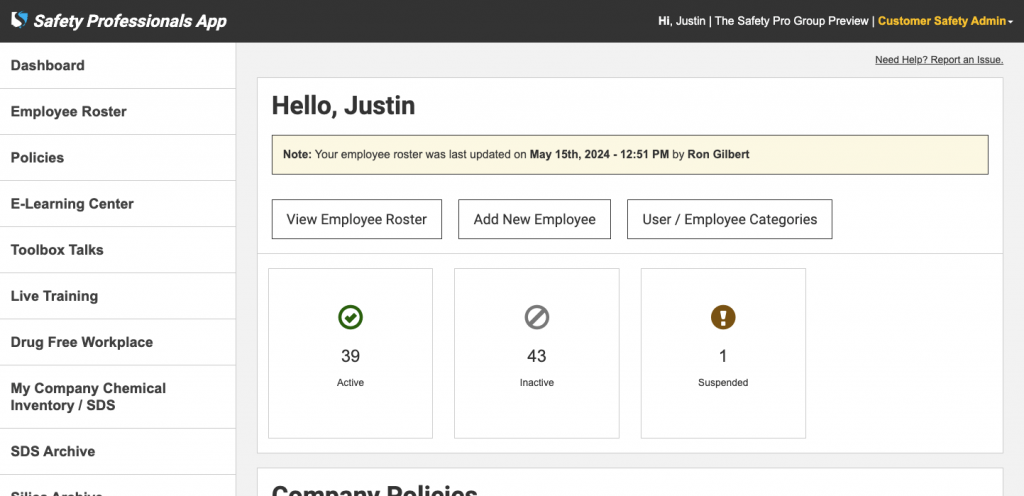
Every service we provide connects to the Safety Professionals App, our online safety management system. Your policies, training records, toolbox talks, Safety Data Sheets, and safety report templates live in one secure place, available on any phone, tablet, or computer. When a client, auditor, or OSHA inspector asks for proof, you have it in seconds.
Safety Professionals App customer dashboard

All Safety Services

Explore Our Other Safety Services

For over 20 years, our team has specialized in the development and implementation of employee safety programs guided by measurable results, managing safety needs, maintaining OSHA compliance, and promoting a lasting culture of safety for Ohio businesses.

Two men talking by a roadside work area

Jobsite Audits

Continuously analyze jobsite conditions to protect employees, eliminate hazards, and ensure OSHA compliance.

Training room with a projector screen

Safety Training

Become knowledgeable of your OSHA requirements as an employer, the first step to an effective safety program.

Employee signing a document

Health & Safety Policies

Written policies are the foundation of your safety program, clearly communicated through custom manuals and training plans.

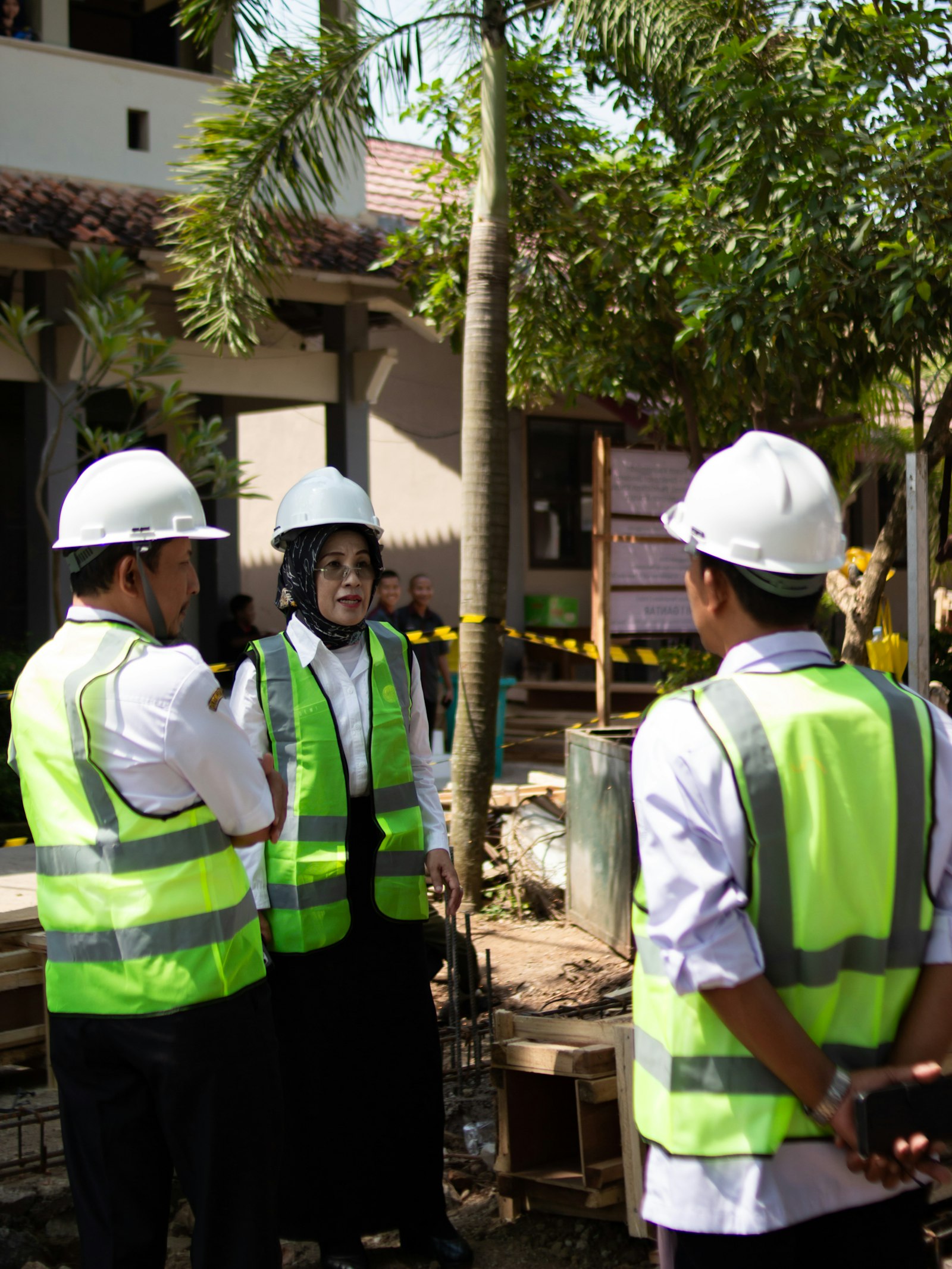
Three workers in hard hats and vests talking

Job Safety Analysis

Proactively identify hazards and implement controls to prevent accidents, injuries, and illnesses.

Yellow barrier tape

Accident / Incident Investigations

Understand root causes to prevent similar incidents from happening again on your jobsite.

Crew gathered around blueprints outdoors

Weekly Toolbox Talks

Address jobsite safety topics, workplace hazards, and safe work practices every week, on any device.

Instructor explaining a topic to a group

OSHA 10 & 30 Hour Training

Part of the OSHA Outreach Training Program. Students receive a course completion card upon finishing.

Instructor writing on a whiteboard

Employee Education

Awareness training on the effects and consequences of prohibited drug and alcohol use in the workplace.

Participants seated in a training session

New Employee Training Programs

Onboarding programs that introduce new hires to essential safety concepts from day one.

Construction workers reviewing plans at a job site

OSHA Inspection Representation

We represent you during OSHA inspections and informal hearings, protecting your interests every step.

ISNetworld

Third-Party Verification

Assistance with ISNetworld, Veriforce (PEC), Avetta, CCS, and PowerAdvocate certification submissions.

Get More Toolbox Talks

This is one of our free toolbox talks. Pair it with electrical safety training and a job safety analysis for work near lines. Get a new talk every week with our weekly toolbox talk program. Call 330-677-4433.

Two construction workers in safety vests on site