Free Toolbox Talk
Winter Weather PPE & Cold Stress Toolbox Talk
We usually think of PPE as hard hats, safety glasses, and gloves for a specific task. In winter, your PPE is anything that protects you from the cold. It’s your first and most important defense against cold stress injuries like hypothermia and frostbite. Use this winter weather toolbox talk to prepare your crew for Ohio’s cold, wet, and windy months.
Free Consultation
Talk to an Ohio Safety Professional
Calling us is the fastest way to get in touch.
The Three-Layer System
The best approach to winter clothing isn’t one big jacket. It’s three layers.
Inner Layer: Moisture-Wicking
This layer sits against your skin and pulls sweat away from your body. Sweat is your biggest enemy in the cold, because it cools you quickly as it evaporates.
- Right choice: polyester, synthetic blends, or wool
- Wrong choice: cotton, which soaks up moisture and holds it against your skin
Middle Layer: Insulating
This layer traps heat to keep you warm.
- Right choice: fleece, wool, or down
- Wrong choice: tight-fitting clothes that restrict blood flow
Outer Layer: Wind & Water Protection
Your shell protects you from wind, snow, and rain while letting moisture escape from the layers underneath.
- Right choice: a windproof, waterproof, or water-resistant jacket
- Wrong choice: a jacket so heavy it makes you sweat
Protecting Your Hands, Feet, Head & Face
Your body protects your core first by pulling blood away from your fingers and toes. That’s why they get cold first and face the highest risk of frostbite.
Head and face
Wear a hard hat liner or an insulated hat that fits under your hard hat. A balaclava or face mask protects against wind.
Hands
Wear insulated, waterproof gloves. For dexterity, use a thin liner under a thicker outer glove. Never touch cold metal with bare hands.
Feet
Wear waterproof, insulated boots with slip-resistant soles. Choose wool or synthetic socks, not cotton, and bring a dry spare pair.
Steel-toe boots
Steel conducts cold. Composite-toe boots don’t conduct cold and help keep toes warmer.
!
High-Visibility Gear
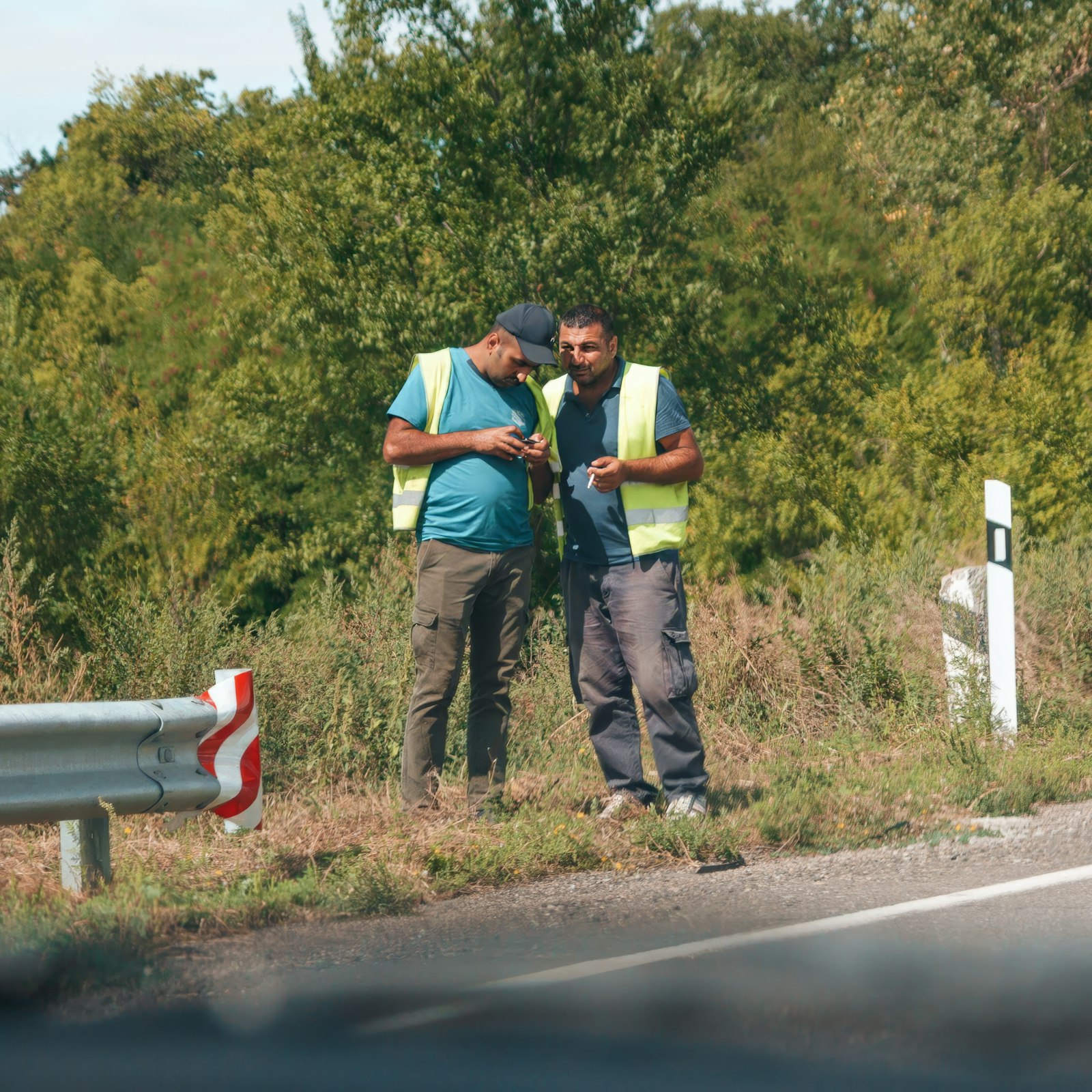
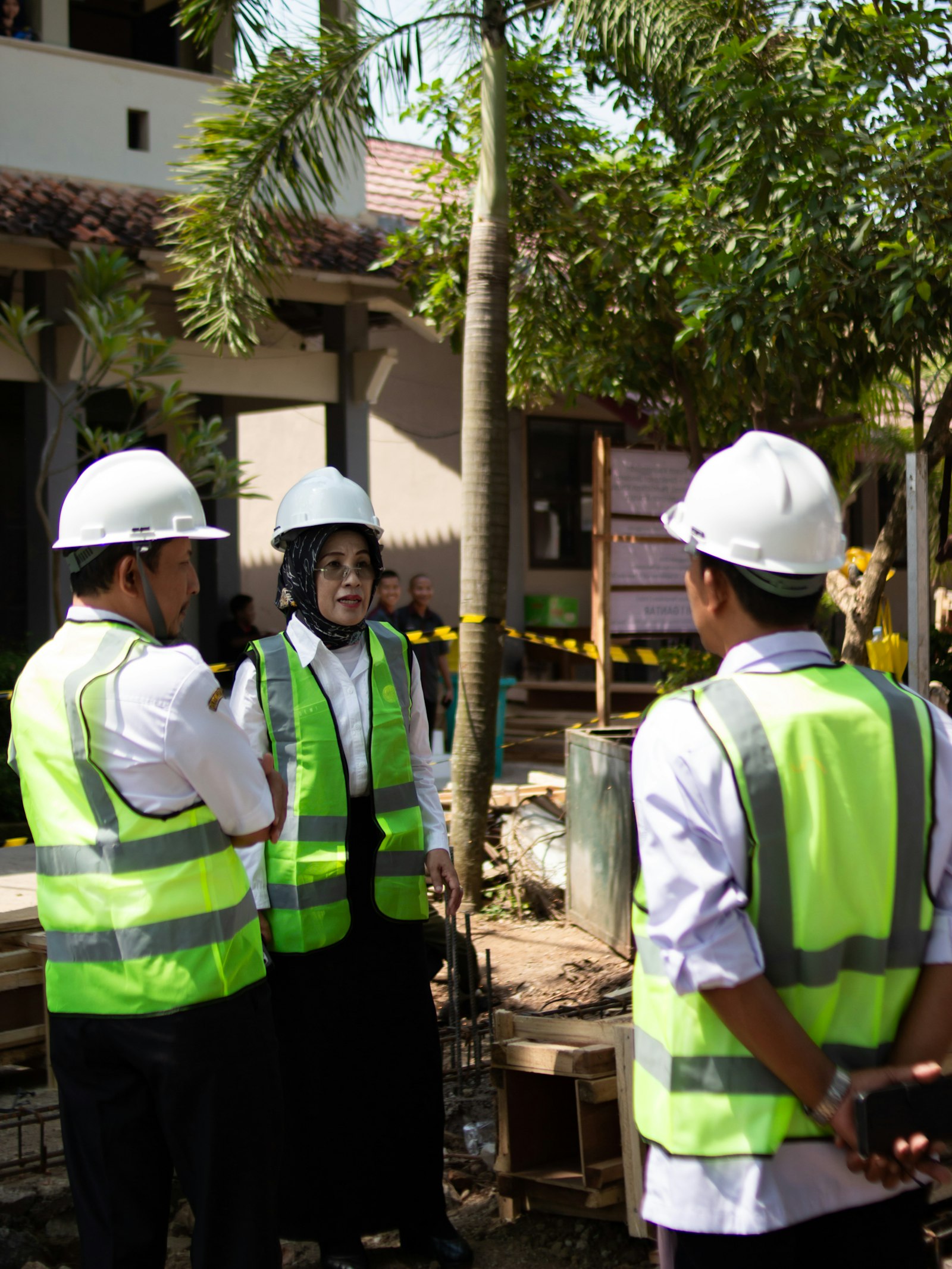
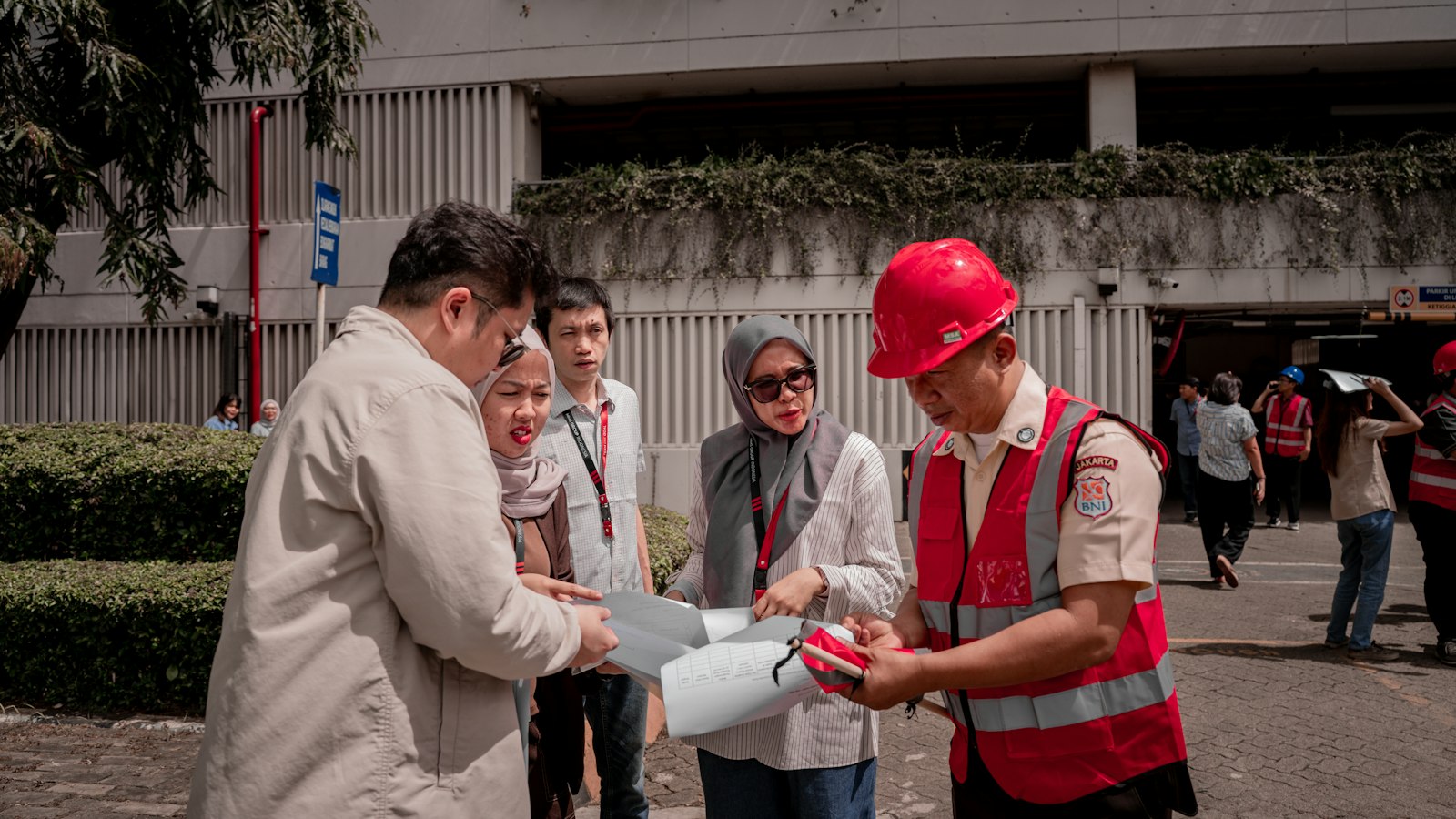
Short days, fog, and snow make workers hard to see. Make sure your outer layer is high-visibility and that reflective strips are clean and in good condition.
Know the Signs of Cold Stress
| Condition | Warning signs | What to do |
|---|---|---|
| Hypothermia | Shivering, confusion, slurred speech, drowsiness, loss of coordination | Call 911 for severe symptoms. Move the person somewhere warm, remove wet clothing, and warm the core with blankets. |
| Frostbite | Numbness, white or grayish-yellow skin, hard or waxy-feeling skin | Get to a warm area. Don’t rub the area. Seek medical care. |
| Trench foot | Red skin, swelling, numbness, or blisters after feet stay wet and cold | Remove wet boots and socks, dry the feet, and seek medical care. |
More Winter Safety Tips
Prevent slips: clear and salt walkways, wear boots with good traction, and take short, flat-footed steps on ice.
Take warm breaks: schedule breaks in heated areas and drink warm, non-alcoholic fluids.
Use the buddy system: watch each other for signs of cold stress.
Drive for conditions: clear snow and ice from vehicles, slow down, and leave extra following distance.
Discussion Questions for Your Crew
Finish your winter weather toolbox talk with these questions:
- What layers are you wearing today, and is any of it cotton?
- Where’s the nearest warm-up area on this site?
- What would you do if a coworker started acting confused in the cold?
What PPE is needed for cold weather work?
Layered clothing (wicking, insulating, and wind/water-resistant), an insulated hard hat liner, insulated waterproof gloves, waterproof insulated boots with good traction, and high-visibility outerwear.
Are composite-toe boots better in winter?
Composite-toe boots don’t conduct cold the way steel toes do, so they can help keep feet warmer while still providing toe protection.
Service Areas
Toolbox Talks Across Ohio
Based in Kent, Ohio, our safety professionals travel statewide. Find Toolbox Talks near you in Cleveland, Columbus, Cincinnati, Akron and surrounding communities.
Cleveland, OH
Toolbox Talks in Cleveland, Ohio
On-site support for Cleveland and Northeast Ohio contractors, manufacturers and service companies, from Cuyahoga County to Lake and Lorain counties.
See Cleveland safety services
Columbus, OH
Toolbox Talks in Columbus, Ohio
Serving Columbus and Central Ohio employers in Franklin County and surrounding areas, with on-site visits and remote program support.
See Columbus safety services
Cincinnati, OH
Toolbox Talks in Cincinnati, Ohio
A proud member of the HBA of Greater Cincinnati, supporting Southwest Ohio builders, trades and employers with on-site safety services.
See Cincinnati safety services
Safety Professionals App
Your Safety Program, Managed in One Place
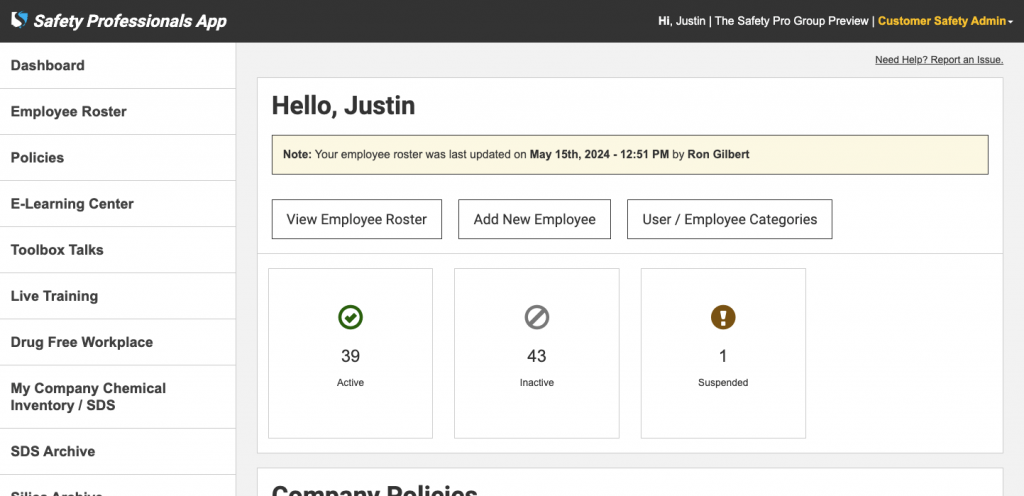
Every service we provide connects to the Safety Professionals App, our online safety management system. Your policies, training records, toolbox talks, Safety Data Sheets, and safety report templates live in one secure place, available on any phone, tablet, or computer. When a client, auditor, or OSHA inspector asks for proof, you have it in seconds.

Beyond the App
Digital Tools, Backed by Real Expertise
Software alone doesn’t keep a jobsite safe. Our team pairs the app with hands-on safety management and expert representation.
OSHA 10 & 30 Training
In-person outreach training with official course completion cards.
View OSHA Training Options
Jobsite Audits
On-site inspections that catch hazards before they become incidents.
Schedule a Jobsite Audit
Accident Investigations
Root-cause analysis to prevent repeat incidents across your sites.
See Our Investigation Process
DOT Compliance
Strict adherence to Department of Transportation requirements.
Explore DOT Compliance
All Safety Services
Explore Our Other Safety Services
For over 20 years, our team has specialized in the development and implementation of employee safety programs guided by measurable results, managing safety needs, maintaining OSHA compliance, and promoting a lasting culture of safety for Ohio businesses.
Jobsite Audits
Continuously analyze jobsite conditions to protect employees, eliminate hazards, and ensure OSHA compliance.
Safety Training
Become knowledgeable of your OSHA requirements as an employer, the first step to an effective safety program.
Health & Safety Policies
Written policies are the foundation of your safety program, clearly communicated through custom manuals and training plans.
Job Safety Analysis
Proactively identify hazards and implement controls to prevent accidents, injuries, and illnesses.
Accident / Incident Investigations
Understand root causes to prevent similar incidents from happening again on your jobsite.
Weekly Toolbox Talks
Address jobsite safety topics, workplace hazards, and safe work practices every week, on any device.
OSHA 10 & 30 Hour Training
Part of the OSHA Outreach Training Program. Students receive a course completion card upon finishing.
Employee Education
Awareness training on the effects and consequences of prohibited drug and alcohol use in the workplace.
New Employee Training Programs
Onboarding programs that introduce new hires to essential safety concepts from day one.
OSHA Inspection Representation
We represent you during OSHA inspections and informal hearings, protecting your interests every step.
Third-Party Verification
Assistance with ISNetworld, Veriforce (PEC), Avetta, CCS, and PowerAdvocate certification submissions.
Get More Toolbox Talks
From Cleveland to Cincinnati, Ohio winters demand preparation. This is one of our free toolbox talks. Add cold stress to your safety training, and get a new talk every week with our weekly toolbox talk program. Call 330-677-4433.