Drug-free Workplace Guide
Drug Testing Regulations: DOT, FMCSA, PHMSA & Ohio BWC

Which drug testing rules apply to your company depends on what your employees do, where they work, and which programs you take part in. This guide explains the federal and Ohio agencies and laws behind workplace drug testing regulations, so construction, trades, and transportation employers in Ohio know where they stand.
Free Consultation
Talk to an Ohio Safety Professional
Calling us is the fastest way to get in touch.
Federal vs. State Drug Testing Rules at a Glance
| Rule or program | Who it applies to | Mandatory or voluntary |
|---|---|---|
| DOT (49 CFR Part 40) | Safety-sensitive transportation employees | Mandatory |
| FMCSA (49 CFR Part 382) | CDL drivers | Mandatory |
| PHMSA (49 CFR Part 199) | Pipeline operators and covered contractors | Mandatory |
| Ohio BWC SUPR Program | Ohio employers that enroll | Voluntary (bonus and reimbursement incentives) |
| ORC 153.03 | Contractors on state-funded public improvement projects | Mandatory to bid or work on covered projects |
| Company policy | Any employer | Employer’s choice |
Federal Agencies
U.S. Department of Transportation (DOT)
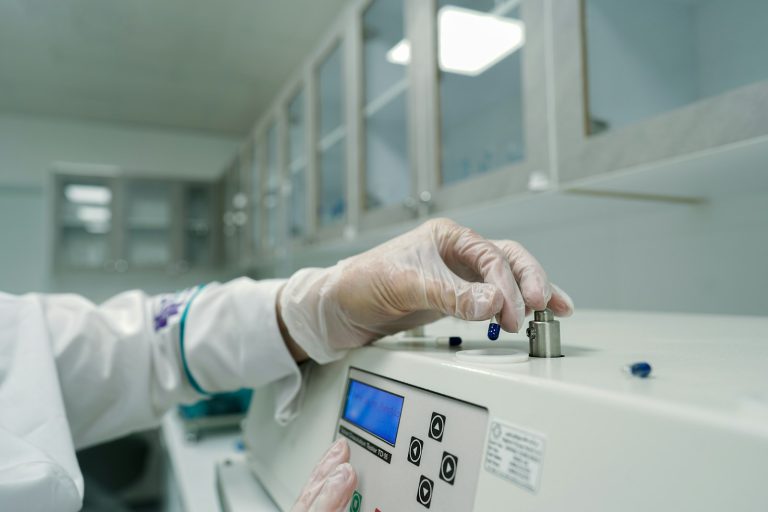
In 1991, Congress passed the Omnibus Transportation Employee Testing Act, requiring drug and alcohol testing of safety-sensitive transportation employees. DOT’s Office of Drug and Alcohol Policy and Compliance sets the testing procedures every DOT agency follows (49 CFR Part 40), including how specimens are collected, which laboratories may test them, and how Medical Review Officers verify results. Learn more about DOT drug and alcohol testing requirements.
Federal Motor Carrier Safety Administration (FMCSA)
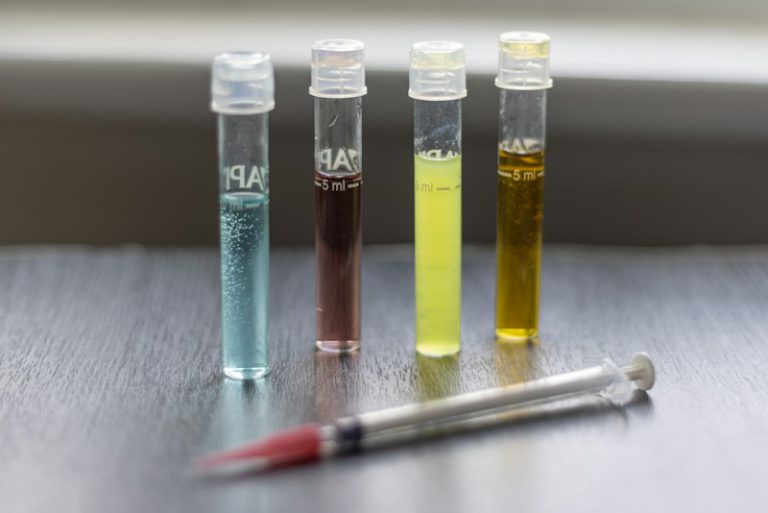
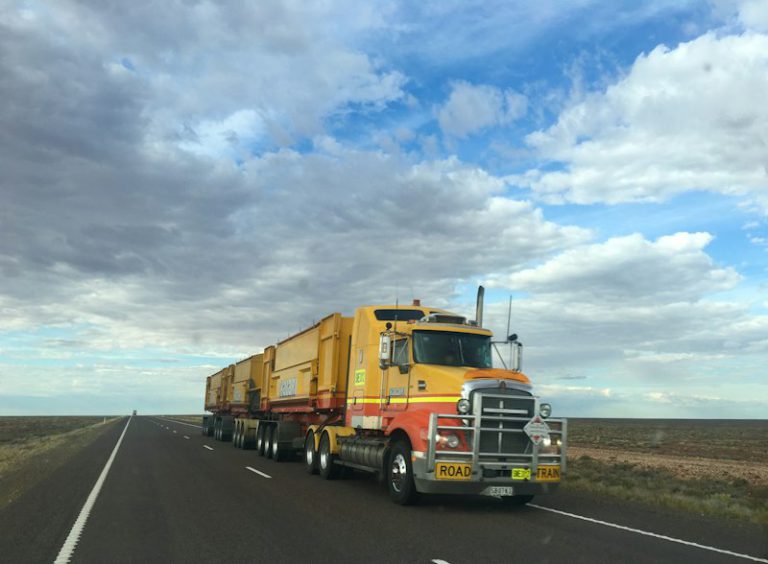
FMCSA’s mission is to reduce crashes, injuries, and fatalities involving large trucks and buses. Its rules (49 CFR Part 382) cover employers of CDL drivers. They require pre-employment, random, post-accident, reasonable suspicion, return-to-duty, and follow-up testing, plus Drug & Alcohol Clearinghouse queries. For 2026, the minimum random testing rates are 50% for drugs and 10% for alcohol. Contractors running their own trucks to move crews and equipment are often covered. See FMCSA drug and alcohol compliance.

Pipeline & Hazardous Materials Safety Administration (PHMSA)
PHMSA regulates pipeline safety. Its drug and alcohol rules (49 CFR Part 199) apply to pipeline operators and to contractors who perform operations, maintenance, or emergency-response functions on regulated pipelines. That can include some gas utility and pipeline contractors, but not general plumbing or HVAC work on customer equipment. The 2026 minimum random drug testing rate for PHMSA is 50%, and operators file annual MIS reports.

OSHA and Drug Testing
OSHA doesn’t have a general drug testing standard. Its recordkeeping rule does prohibit retaliation against employees who report injuries. Blanket post-injury testing policies that could discourage reporting can raise concerns, so tie post-accident testing to circumstances where drug use could have contributed or to legal requirements.
Ohio Bureau of Workers’ Compensation: The SUPR Program

The Ohio BWC SUPR Program (Substance Use Prevention and Recovery) replaced the Drug-Free Safety Program on July 1, 2025. Participation is voluntary. Employers who meet Advanced or Basic Level requirements can earn a 7% or 4% year-end premium bonus, and all levels can receive reimbursement grants for eligible program costs. SUPR testing must follow the federal model for collection and laboratory analysis.
!
Ohio Public Projects: ORC 153.03
Ohio Revised Code 153.03 requires contractors and subcontractors on state-funded public improvement contracts to be enrolled and in good standing in the BWC drug-free workplace program or a BWC-approved comparable program, regardless of company size. See the SUPR Comparable Level.
Other Ohio Laws Employers Should Know
Marijuana and Ohio Employers
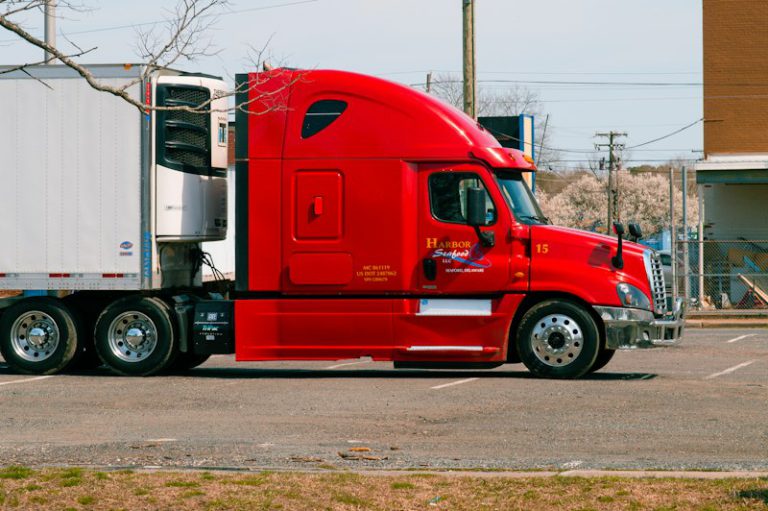
Ohio has legalized medical and adult-use marijuana, but state law preserves employers’ right to maintain drug-free workplace policies and to discipline or refuse to hire for marijuana use under those policies. For DOT safety-sensitive employees, marijuana remains prohibited under federal rules regardless of state law.
Workers’ Compensation and Intoxication
Under Ohio law, a positive post-injury drug or alcohol test above set thresholds, or a refusal to test, can create a rebuttable presumption that intoxication caused the injury. That can affect the workers’ compensation claim. This is one more reason to have a clear written substance use policy and a consistent workplace drug and alcohol testing process.
Do construction companies have to drug test in Ohio?
Not for private work under state law. Testing becomes mandatory if you employ CDL drivers (FMCSA), perform covered pipeline work (PHMSA), or work on state-funded public improvement projects (ORC 153.03). Many owners and general contractors also require testing by contract.
Can we have one policy for DOT and non-DOT employees?
You can have one policy document with separate sections, but DOT and non-DOT testing must be kept separate, using separate forms and following separate rules.
Who can help us figure out which rules apply?
The Safety Pro Group reviews your workforce, contracts, and vehicles to identify every requirement that applies, then builds one program to meet them. Supervisors also need reasonable suspicion supervisor training under several of these rules.
Service Areas
Drug Testing Compliance Across Ohio
Based in Kent, Ohio, our safety professionals travel statewide. Find Drug Testing Compliance near you in Cleveland, Columbus, Cincinnati, Akron and surrounding communities.
Cleveland, OH
Drug Testing Compliance in Cleveland, Ohio
On-site support for Cleveland and Northeast Ohio contractors, manufacturers and service companies, from Cuyahoga County to Lake and Lorain counties.
See Cleveland safety services
Columbus, OH
Drug Testing Compliance in Columbus, Ohio
Serving Columbus and Central Ohio employers in Franklin County and surrounding areas, with on-site visits and remote program support.
See Columbus safety services
Cincinnati, OH
Drug Testing Compliance in Cincinnati, Ohio
A proud member of the HBA of Greater Cincinnati, supporting Southwest Ohio builders, trades and employers with on-site safety services.
See Cincinnati safety services
Safety Professionals App
Your Safety Program, Managed in One Place
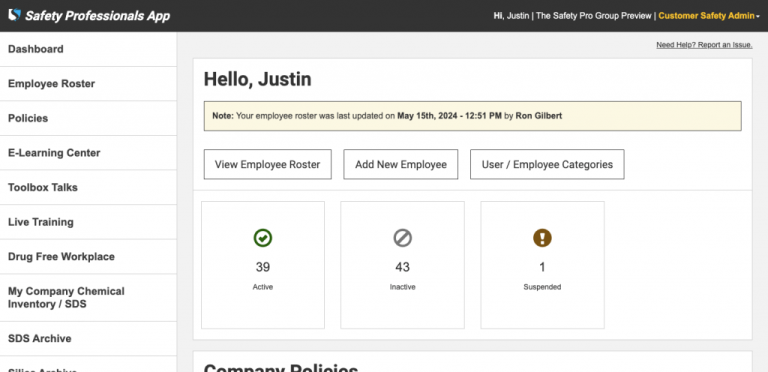
Every service we provide connects to the Safety Professionals App, our online safety management system. Your policies, training records, toolbox talks, Safety Data Sheets, and safety report templates live in one secure place, available on any phone, tablet, or computer. When a client, auditor, or OSHA inspector asks for proof, you have it in seconds.
Beyond the App
Digital Tools, Backed by Real Expertise
Software alone doesn’t keep a jobsite safe. Our team pairs the app with hands-on safety management and expert representation.
OSHA 10 & 30 Training
In-person outreach training with official course completion cards.
View OSHA Training Options
Jobsite Audits
On-site inspections that catch hazards before they become incidents.
Schedule a Jobsite Audit
Accident Investigations
Root-cause analysis to prevent repeat incidents across your sites.
See Our Investigation Process
DOT Compliance
Strict adherence to Department of Transportation requirements.
Explore DOT Compliance
All Safety Services
Explore Our Other Safety Services
For over 30 years, our team has specialized in the development and implementation of employee safety programs guided by measurable results, managing safety needs, maintaining OSHA compliance, and promoting a lasting culture of safety for Ohio businesses.

Jobsite Audits
Continuously analyze jobsite conditions to protect employees, eliminate hazards, and ensure OSHA compliance.

Safety Training
Become knowledgeable of your OSHA requirements as an employer, the first step to an effective safety program.

Health & Safety Policies
Written policies are the foundation of your safety program, clearly communicated through custom manuals and training plans.
Job Safety Analysis
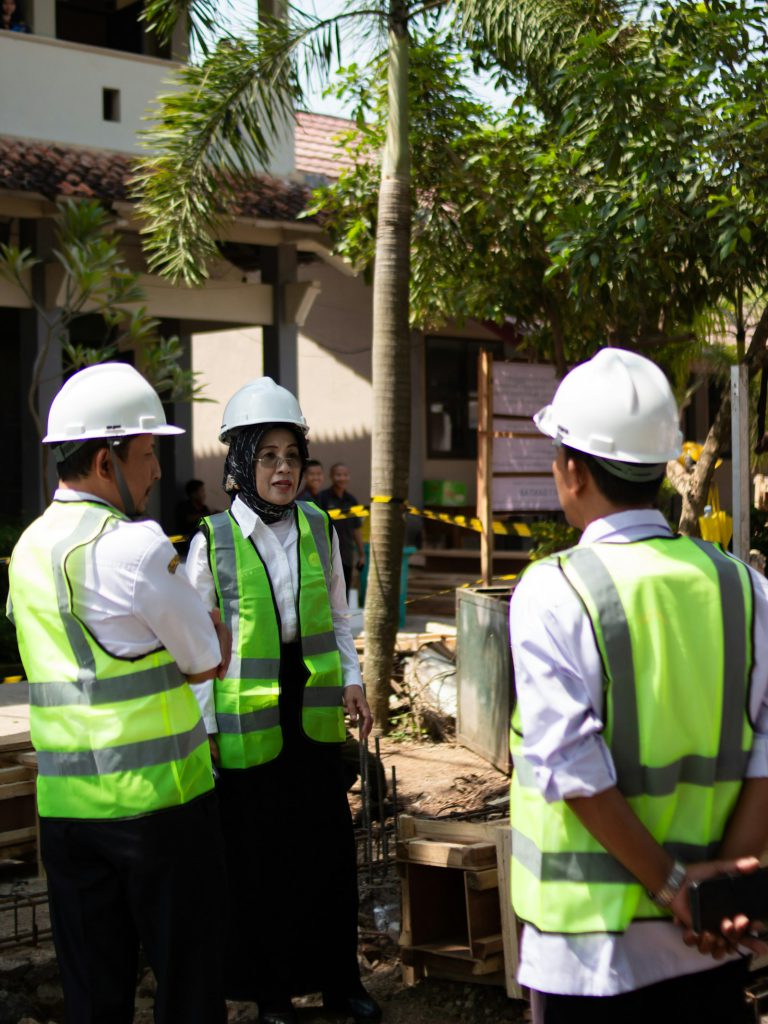
Proactively identify hazards and implement controls to prevent accidents, injuries, and illnesses.
Accident / Incident Investigations
Understand root causes to prevent similar incidents from happening again on your jobsite.
Weekly Toolbox Talks
Address jobsite safety topics, workplace hazards, and safe work practices every week, on any device.

OSHA 10 & 30 Hour Training
Part of the OSHA Outreach Training Program. Students receive a course completion card upon finishing.

Employee Education
Awareness training on the effects and consequences of prohibited drug and alcohol use in the workplace.

New Employee Training Programs
Onboarding programs that introduce new hires to essential safety concepts from day one.

OSHA Inspection Representation
We represent you during OSHA inspections and informal hearings, protecting your interests every step.
Third-Party Verification
Assistance with ISNetworld, Veriforce (PEC), Avetta, CCS, and PowerAdvocate certification submissions.
Get Help Navigating Drug Testing Rules
Call 330-677-4433 or email safety@thesafetyprogroup.com to review your drug testing obligations with our team. This guide is general information, not legal advice. Consult an attorney for advice on your specific situation.