Safety Services

Weekly Safety Meetings & Toolbox Talks That Build a Safety Culture

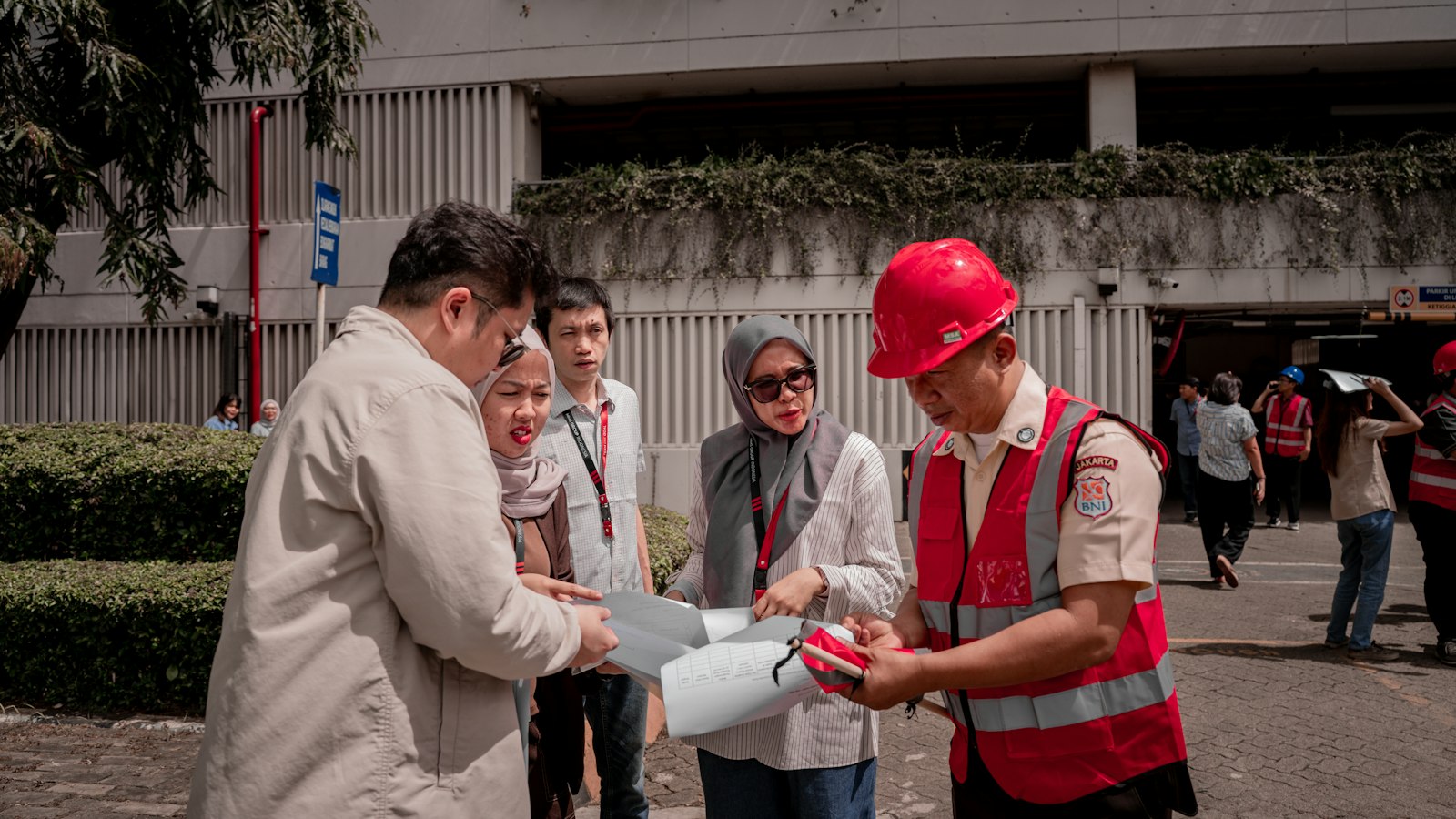
Crew gathered around blueprints outdoors

Toolbox talks are one of the simplest, most effective ways to keep safety in front of your crews every week. The Safety Pro Group gives Ohio employers a ready-to-use weekly toolbox talk program, with 52 topics a year, a searchable library, and online tracking, so every crew holds a meaningful safety meeting without the supervisor writing one from scratch.

Free Consultation

Talk to an Ohio Safety Professional

Calling us is the fastest way to get in touch.

What Are Toolbox Talks?

Toolbox talks are short, informal safety meetings, usually 5–10 minutes, held at the start of a shift or workweek. Also called tailgate safety meetings or weekly safety meetings, they cover one jobsite safety topic, workplace hazard, or safe work practice at a time. They give supervisors a chance to refresh workers’ knowledge, run last-minute safety checks, and let crews share their own experience with the group.

Benefits of Weekly Safety Meetings

When they’re held consistently, weekly safety meetings:

Build safety awareness by keeping hazards top of mind every week, not once a year.

Help reduce injuries and claims by catching unsafe habits before they cause an incident.

Support OSHA training requirements. Construction employers must instruct each employee in recognizing and avoiding unsafe conditions (29 CFR 1926.21(b)(2)), and documented toolbox talks help show that training happened.

Show commitment from leadership when supervisors lead the conversation.

Give workers a voice. Crews raise concerns and near misses that might otherwise go unreported.

Satisfy client and contract requirements, since many general contractors and owners require documented weekly safety meetings.

How Our Weekly Toolbox Talk Program Works

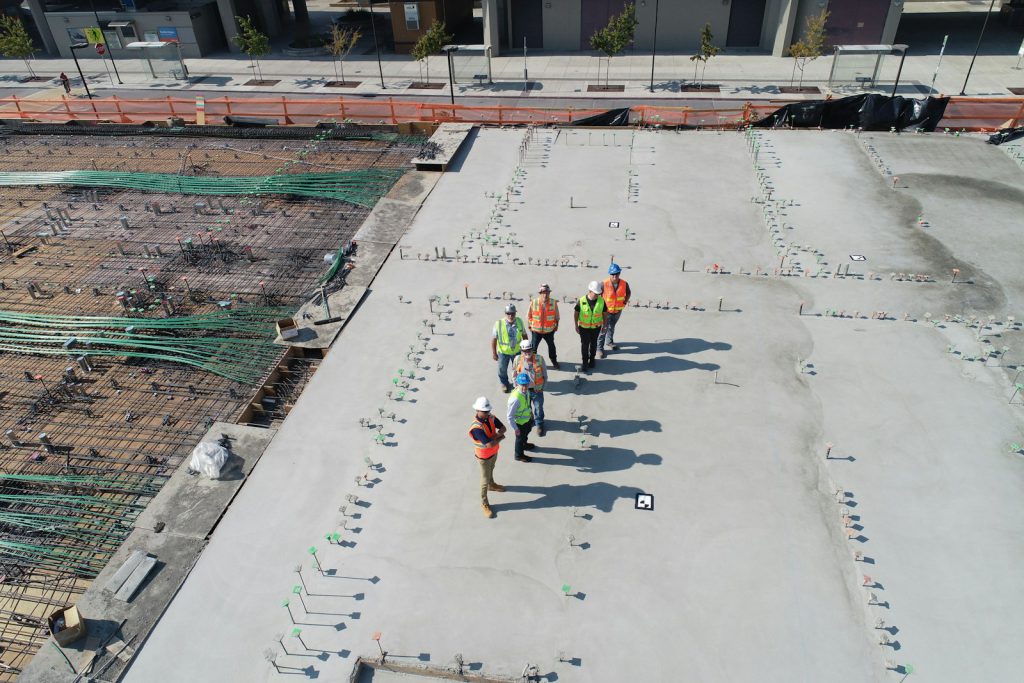
Construction team standing on top of a building

52 Topics a Year, Ready to Present

You receive a new toolbox talk for every week of the year, written in plain language and ready for a supervisor to read and discuss with the crew.

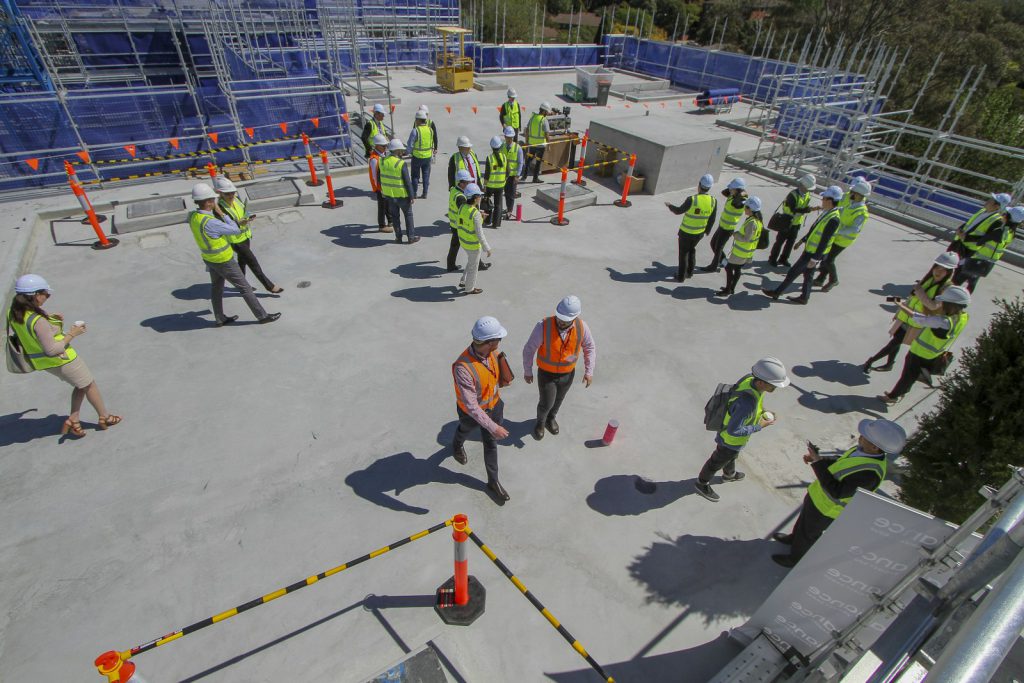
Crew gathered on a rooftop

A Large Library for Every Jobsite

Need a topic that matches today’s work? Download from our toolbox talks library of more than 1,400 safety talks, sorted by topic, so you can tailor each meeting to the job, the season, or a recent near miss.

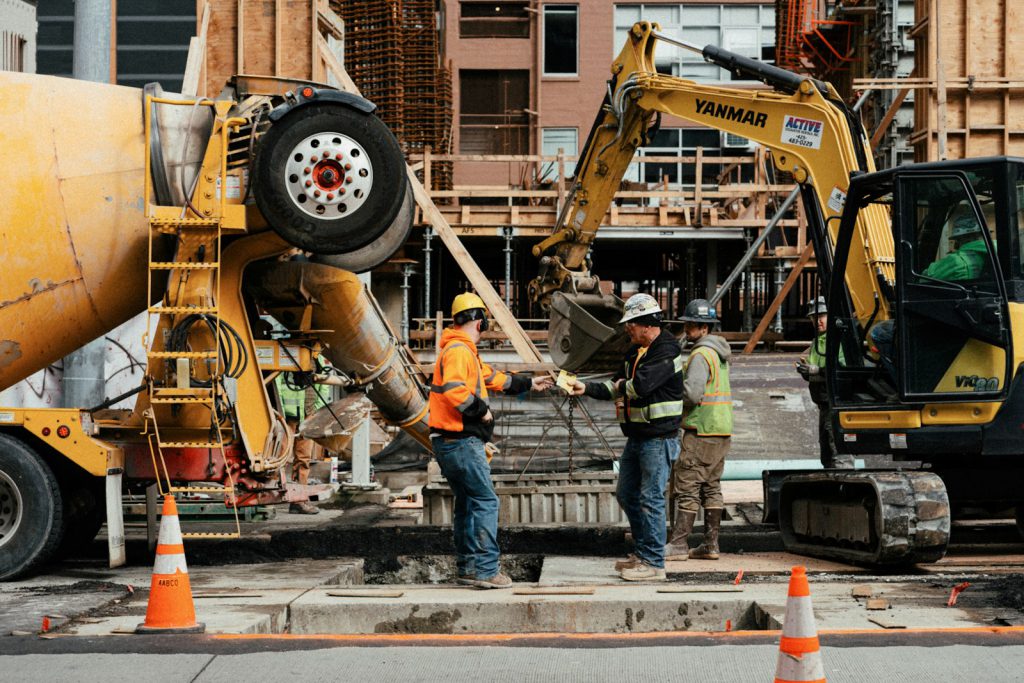
Construction workers shaking hands on site

Assign, Sign Off & Track Online

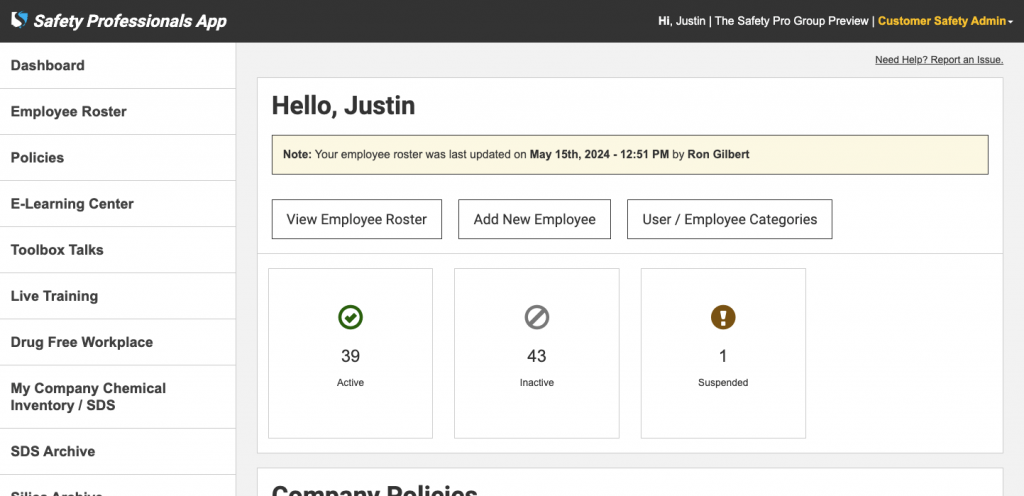
With Toolbox Talk Assignment in the Safety Professionals App, you assign talks to crews or groups, collect sign-offs, and see completion by crew from any phone, tablet, or computer.

Construction workers reviewing plans on site

Records You Can Prove

Every meeting you’ve received and held is stored online. When a client, auditor, or OSHA inspector asks for proof of training, you can pull it up in seconds.

Safety Meeting Topics for Construction & General Industry

Our toolbox talk topics cover the hazards Ohio crews face every day, including:

Falls and heights: ladders, scaffolds, guardrails, fall arrest systems

Electrical safety: working near power lines, GFCIs, lockout/tagout

Excavation and trenching: cave-ins, protective systems, spoil piles

Struck-by and caught-between hazards: heavy equipment, backing vehicles, rotating parts

Health hazards: silica, noise, hazard communication, Safety Data Sheets

Weather: heat stress in summer, cold stress and winter PPE in winter

Tools and equipment: hand and power tools, forklifts, aerial lifts

Behavior and culture: near misses, housekeeping, distracted driving, a drug- and alcohol-free workplace

See examples in our free toolbox talks library, such as our near miss toolbox talk.

Tips for Leading Better Safety Talks for Employees

Keep it short. One topic, 5–10 minutes.

Make it local. Tie the topic to today’s task or a hazard on this jobsite.

Ask, don’t lecture. End with two or three questions for the crew.

Show it. Point to the equipment, PPE, or area you’re talking about.

Document it. Record the date, topic, presenter, and every attendee’s signature.

Toolbox Talks for Ohio Employers

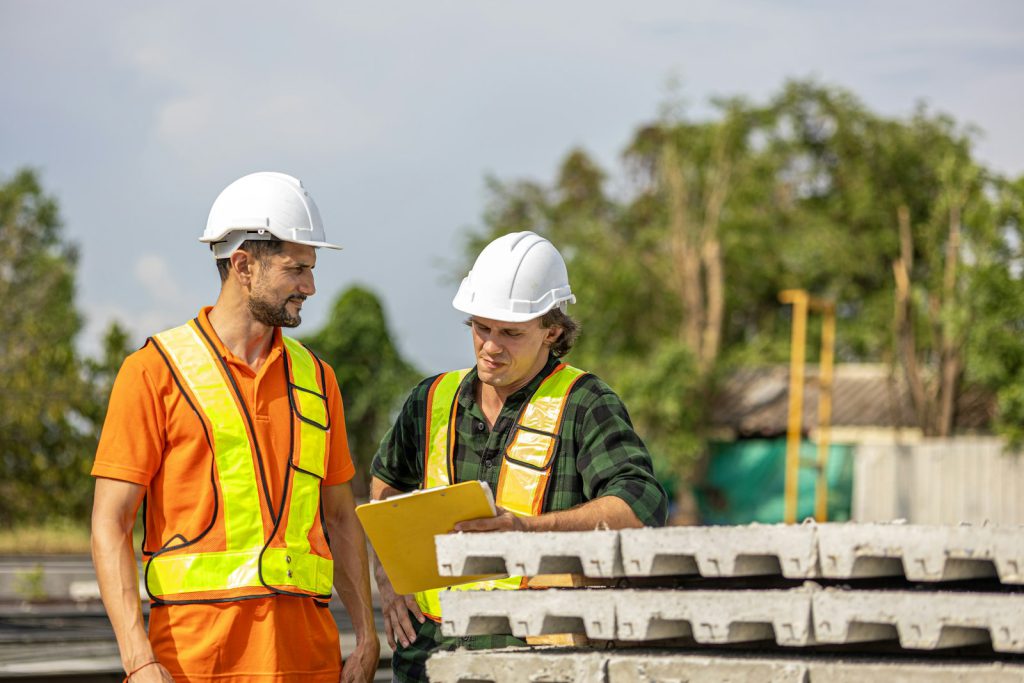
Two workers talking next to a construction site

We provide toolbox talks to contractors and employers across Ohio, from Cleveland and Akron to Columbus and Cincinnati. Pair your weekly meetings with jobsite safety audits and safety training to build a complete program. See all of our workplace safety services.

Faq

Toolbox Talk FAQs

Still have questions? Call 330-677-4433

How long should a toolbox talk be?

Most toolbox talks run 5–10 minutes. That’s long enough to cover one topic well and short enough that crews stay engaged.

OSHA doesn’t set a specific weekly toolbox talk rule. OSHA standards do require employers to train workers on the hazards of their jobs, and in construction, 29 CFR 1926.21(b)(2) requires instruction on recognizing and avoiding unsafe conditions. Documented toolbox talks are one of the easiest ways to support that requirement, and many contracts require weekly safety meetings.

Nothing, really. “Toolbox talk,” “tailgate safety meeting,” and “weekly safety meeting” all describe the same short, informal safety discussion held on the job.

Record the date, topic, presenter, location, and the name and signature of each attendee. The Safety Professionals App does this digitally and stores every record for you.

Safety Professionals App

Your Safety Program, Managed in One Place

Every service we provide connects to the Safety Professionals App, our online safety management system. Your policies, training records, toolbox talks, Safety Data Sheets, and safety report templates live in one secure place, available on any phone, tablet, or computer. When a client, auditor, or OSHA inspector asks for proof, you have it in seconds.
Safety Professionals App customer dashboard

All Safety Services

Explore Our Other Safety Services

For over 20 years, our team has specialized in the development and implementation of employee safety programs guided by measurable results, managing safety needs, maintaining OSHA compliance, and promoting a lasting culture of safety for Ohio businesses.

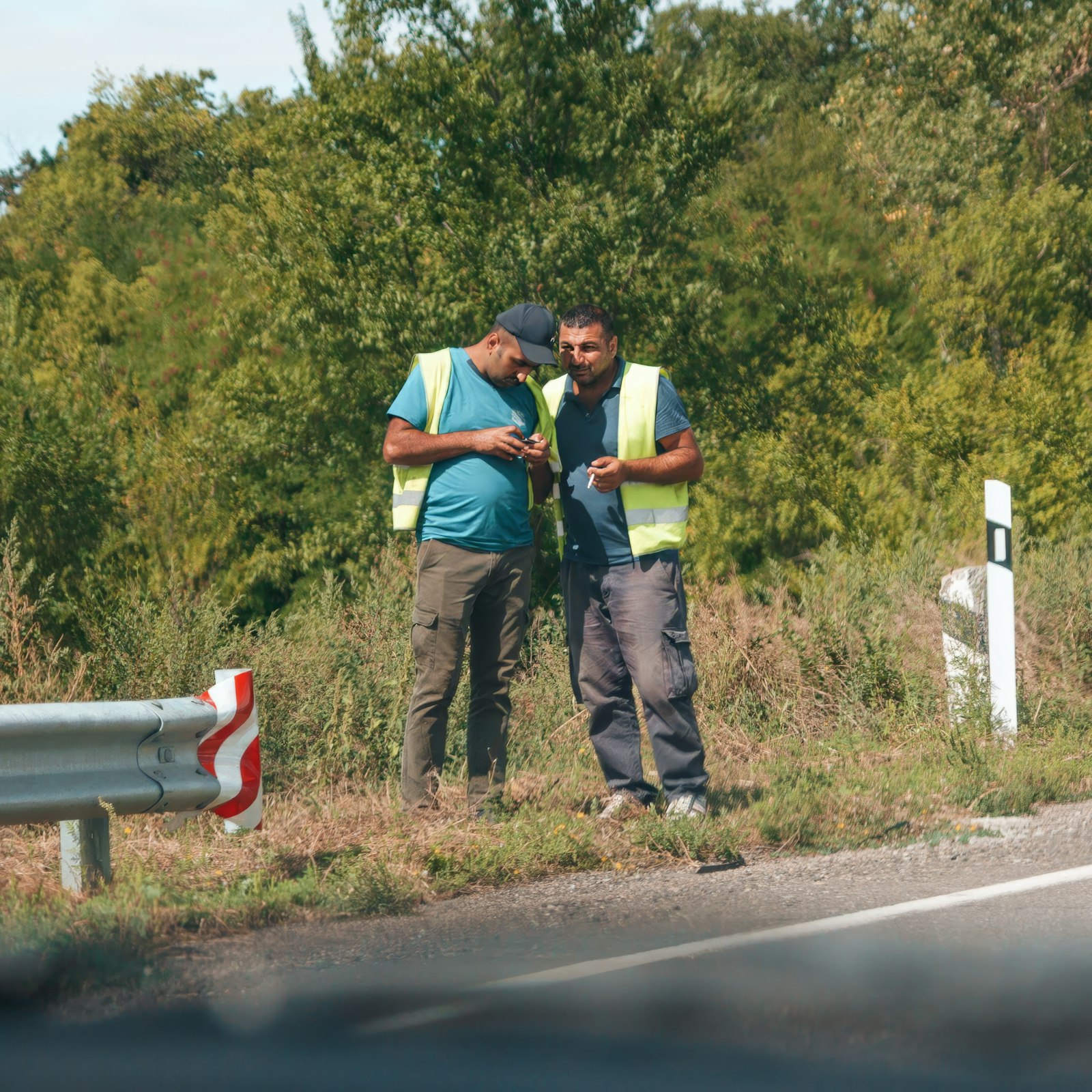
Two men talking by a roadside work area

Jobsite Audits

Continuously analyze jobsite conditions to protect employees, eliminate hazards, and ensure OSHA compliance.

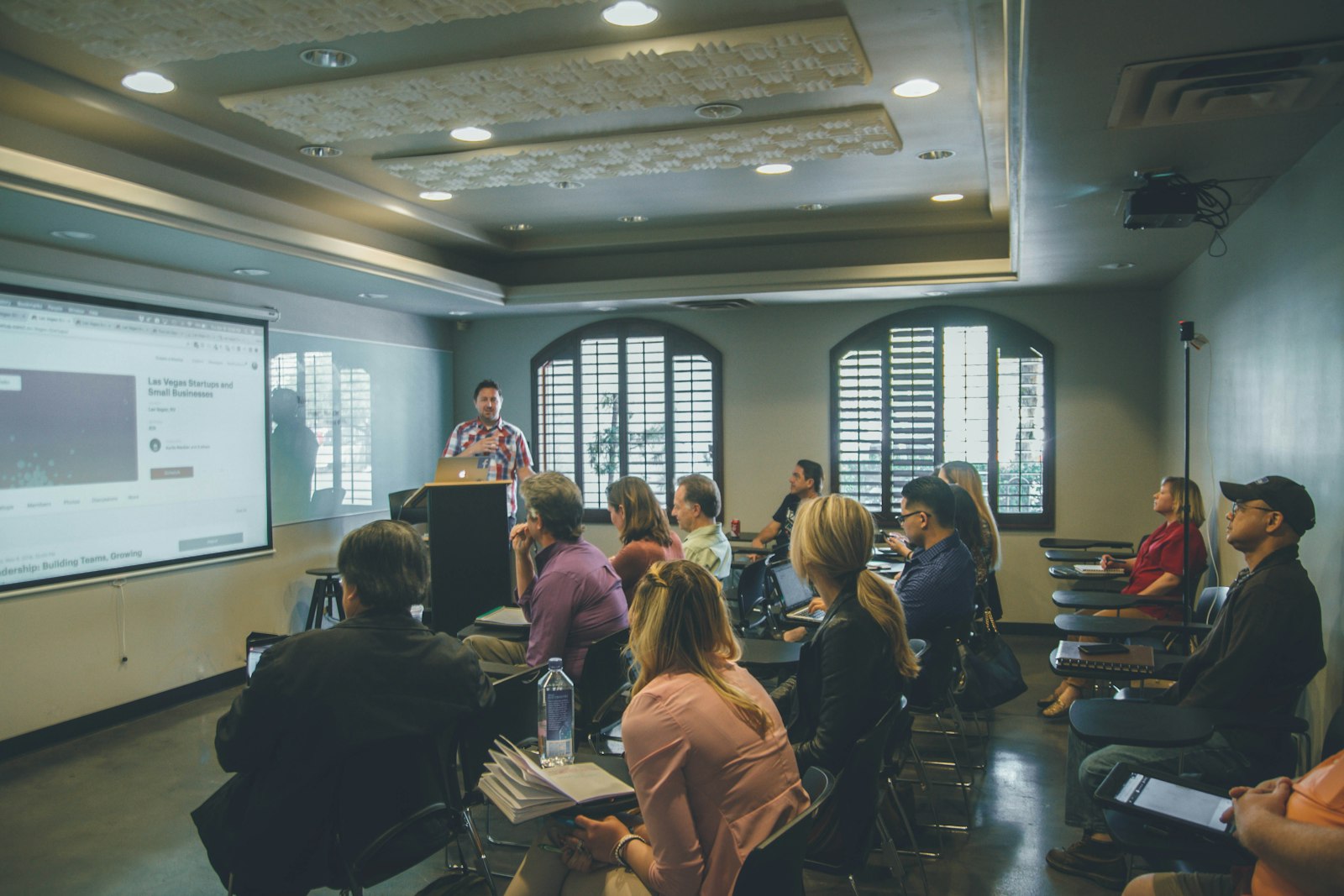
Training room with a projector screen

Safety Training

Become knowledgeable of your OSHA requirements as an employer, the first step to an effective safety program.

Employee signing a document

Health & Safety Policies

Written policies are the foundation of your safety program, clearly communicated through custom manuals and training plans.

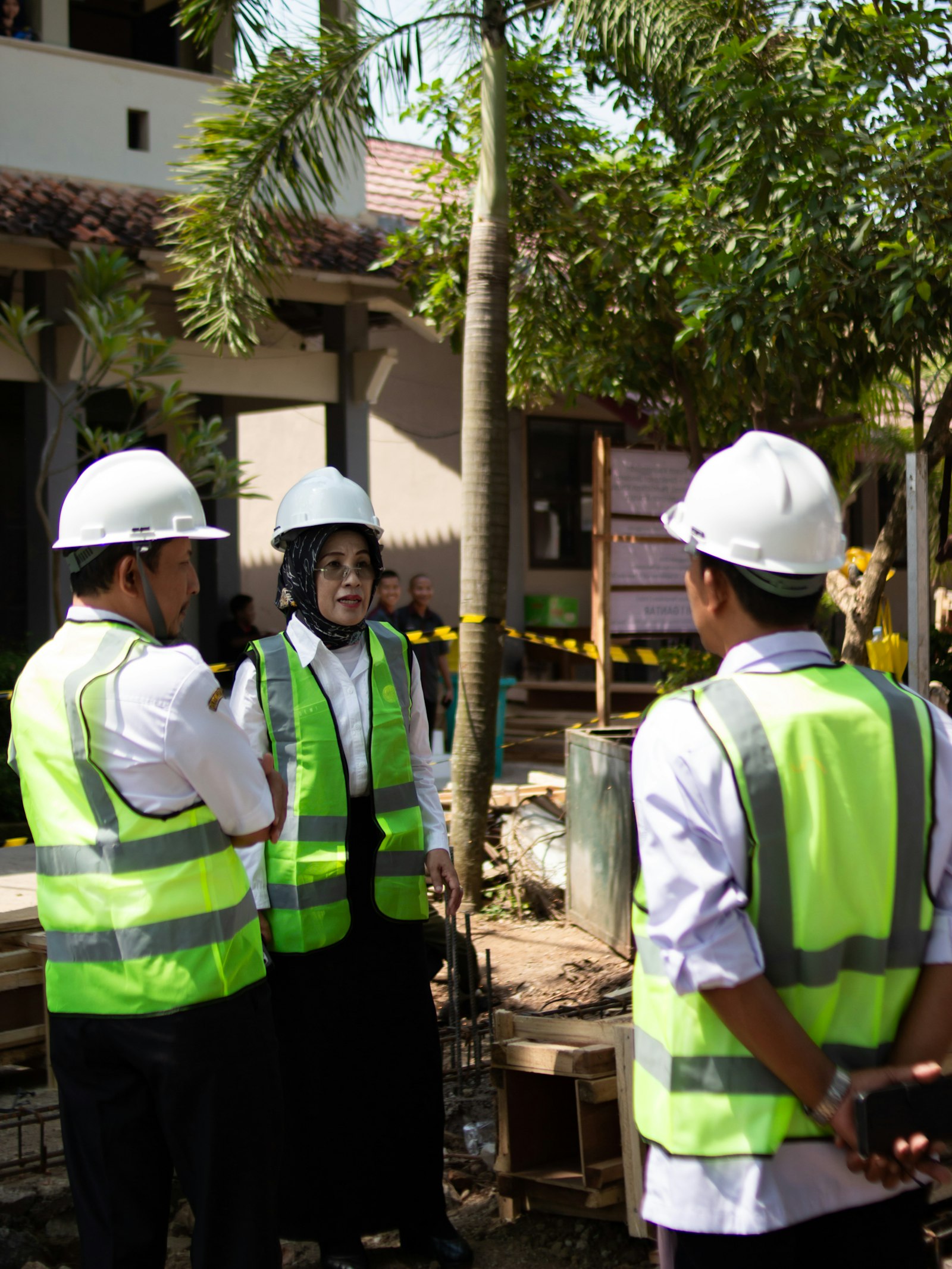
Three workers in hard hats and vests talking

Job Safety Analysis

Proactively identify hazards and implement controls to prevent accidents, injuries, and illnesses.

Yellow barrier tape

Accident / Incident Investigations

Understand root causes to prevent similar incidents from happening again on your jobsite.

Crew gathered around blueprints outdoors

Weekly Toolbox Talks

Address jobsite safety topics, workplace hazards, and safe work practices every week, on any device.

Instructor explaining a topic to a group

OSHA 10 & 30 Hour Training

Part of the OSHA Outreach Training Program. Students receive a course completion card upon finishing.

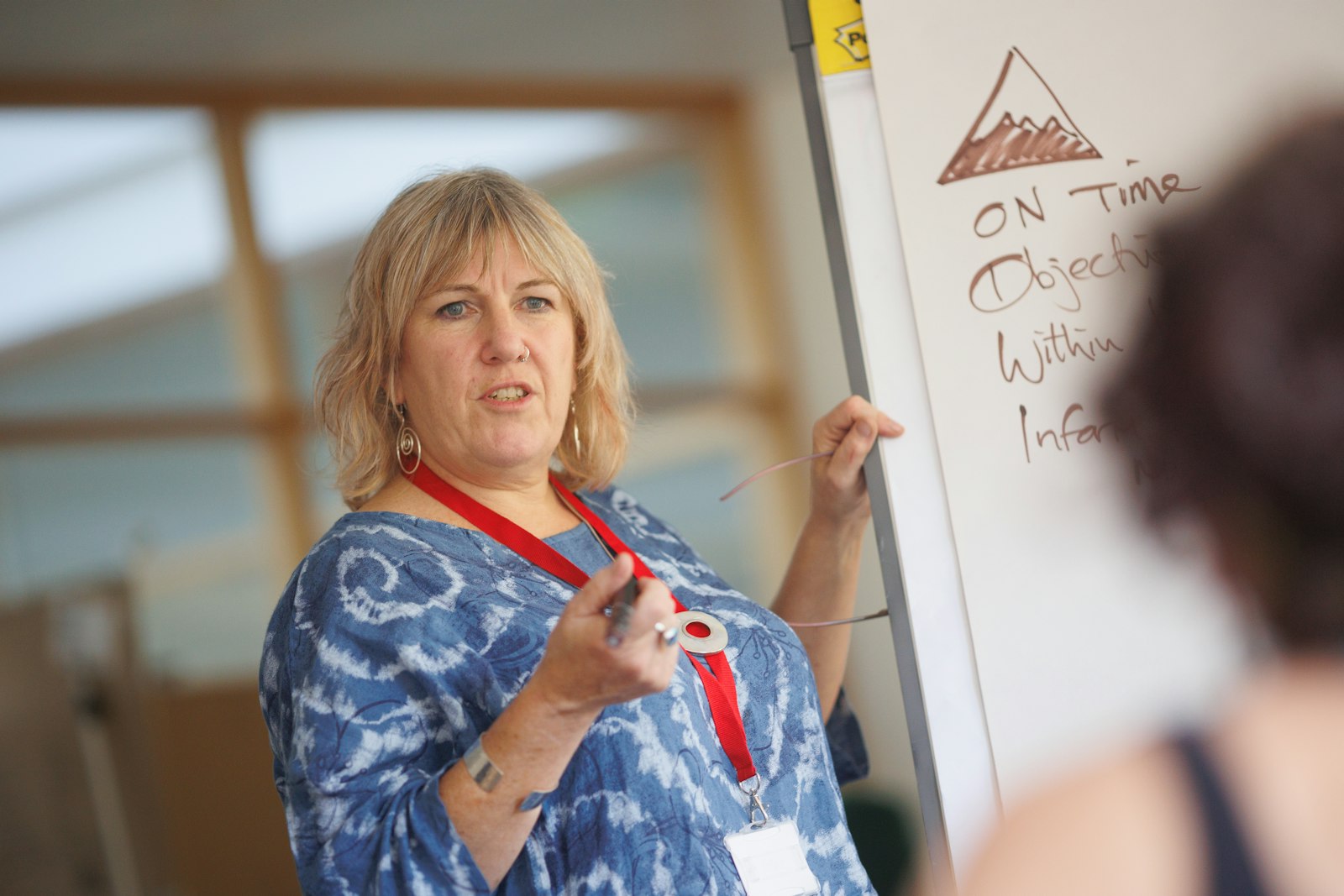
Instructor writing on a whiteboard

Employee Education

Awareness training on the effects and consequences of prohibited drug and alcohol use in the workplace.

Participants seated in a training session

New Employee Training Programs

Onboarding programs that introduce new hires to essential safety concepts from day one.

Construction workers reviewing plans at a job site

OSHA Inspection Representation

We represent you during OSHA inspections and informal hearings, protecting your interests every step.

ISNetworld

Third-Party Verification

Assistance with ISNetworld, Veriforce (PEC), Avetta, CCS, and PowerAdvocate certification submissions.

Start Your Weekly Toolbox Talk Program

Give every crew a better safety meeting every week. Call 330-677-4433 or email safety@thesafetyprogroup.com to get started with toolbox talks from The Safety Pro Group.

Two construction workers in safety vests on site